
From Idea to Reality in a Clack
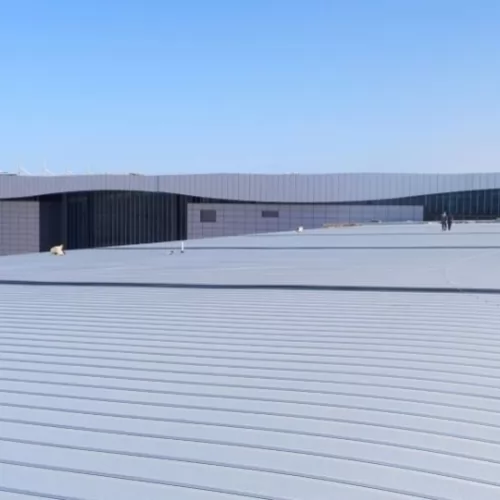
Standing seam roof water testing is a critical quality assurance process that evaluates the water resistance performance of metal roofing systems under controlled laboratory conditions. These tests simulate real-world weather conditions including wind-driven rain, static water pressure, and air infiltration to ensure optimal roof performance. For metal roofing manufacturers like Riverclack®, water testing validates the effectiveness of innovative design features such as perforation-free surfaces and integrated drainage systems. The testing process helps ensure that standing seam roofing systems can withstand extreme weather conditions while maintaining complete waterproofing integrity over many years of service.
Water penetration testing for standing seam metal roofs follows rigorous industry standards designed to evaluate performance under extreme weather conditions. These comprehensive tests determine how effectively roofing systems resist water infiltration when subjected to simulated wind-driven rain and varying pressure conditions.
The testing process applies water to the outdoor face of roof panels simultaneously with air pressure differentials that recreate the conditions experienced during severe weather events. This combination of water application and pressure simulation provides reliable data about roof system performance under challenging conditions.
Test specimens typically consist of multiple panel widths and lengths that represent realistic installation scenarios. The comprehensive setup ensures that testing evaluates both individual panel performance and seam integration under conditions that mirror actual roof installations.
Professional water penetration testing subjects roof panels to controlled air pressure differences combined with sustained water application. During testing, water spray equivalent to heavy rainfall conditions is applied to the roof surface for extended periods, typically lasting 15 minutes or longer depending on the specific test requirements.
Testing protocols often specify substantial water application rates to ensure thorough evaluation of seam performance under extreme conditions. The high volume of water application helps identify potential vulnerability points in the roofing system before installation on actual buildings.
Test monitoring focuses on visual observation of panel seams throughout the entire test duration. Results provide clear pass/fail determinations that indicate whether the roofing system meets specified performance criteria for water resistance and overall weatherproofing capability.
Standing seam metal roofing systems perform differently depending on roof slope, which directly impacts water testing requirements and methodologies. Steeper roof slopes facilitate rapid water drainage and typically require different testing approaches than low-slope applications.
For roofs with moderate to steep slopes, testing focuses primarily on dynamic water penetration resistance under wind-driven rain conditions. These applications benefit from gravity-assisted drainage that helps water flow efficiently off the roof surface.
Low-slope roofing applications present unique challenges that require specialized testing methods. These installations often require enhanced sealing systems and may need hydrostatic pressure testing to validate performance under conditions where gravity-assisted drainage is limited.
The Riverclack® system incorporates several innovative design features that enhance water resistance performance beyond traditional standing seam systems. The perforation-free surface design eliminates potential water entry points that can compromise roof integrity over time.
The integrated drainage channel represents a key innovation in standing seam roof design. This proprietary feature collects any water that might penetrate the roof system, effectively eliminating infiltration risks inside the building. The drainage channel provides an additional layer of protection that enhances overall system reliability.
The unique "clack" assembly method creates secure connections without requiring surface perforations. This assembly approach maintains structural integrity while preserving the waterproof barrier that protects the building interior from moisture infiltration.

Roof slope significantly impacts water testing results and determines appropriate testing methodologies. The slope must be carefully considered when establishing test parameters to ensure results accurately reflect real-world performance conditions.
Proper panel storage and handling are critical for maintaining seam integrity during installation. Temperature exposure and contamination from dirt or foreign materials can compromise sealant performance and affect both testing outcomes and field performance.
Panel width consistency during installation ensures proper seaming performance. Standing seam panels must maintain correct dimensional tolerances to achieve proper sealing and connection at roof transitions and termination points.
Achieving optimal water resistance performance requires strict adherence to manufacturer installation guidelines throughout the entire installation process. Proper installation techniques directly correlate with successful water testing results and long-term roof performance.
Roof deck preparation plays a crucial role in system performance. The substrate must meet specified tolerance requirements and remain debris-free before panel installation begins. Even minor deck imperfections can compromise water resistance and testing performance.
Many standing seam systems require specific structural components at critical locations such as eaves and ridges. These components help distribute installation loads and prevent panel deformation that could lead to water ponding or seam failure.
Laboratory testing provides valuable performance data but cannot perfectly simulate all complex weather conditions encountered in actual service. Testing offers standardized evaluation methods while acknowledging that field conditions may present additional challenges not fully captured in laboratory settings.
Test scope typically focuses on panel field performance including side seams and structural connections. However, complete roof systems include many additional details and components that require separate evaluation and testing protocols.
Performance of installed roof systems depends on numerous factors including proper installation, supporting structure adequacy, and resistance to deterioration from environmental factors such as thermal cycling, UV exposure, and mechanical stress over time.
Riverclack® systems have demonstrated proven performance in the world's most challenging climatic conditions since 1987. This extensive field experience validates the effectiveness of the company's innovative design approach and manufacturing quality standards.
The combination of perforation-free surfaces and integrated drainage channels provides enhanced water management capabilities that exceed traditional standing seam system performance. The proprietary assembly method ensures consistent installation quality while maintaining superior weatherproofing integrity.
Testing requirements may vary based on geographic location and building type, with structures in severe weather zones requiring more stringent performance validation. The Riverclack system's proven track record in diverse global applications demonstrates its ability to meet demanding performance requirements across various climatic conditions.
Manufacturers develop metal roofing products with seaming and connection methods designed to pass rigorous water penetration tests with minimal or no observable water infiltration. This development approach ensures consistent field performance and long-term customer satisfaction.
Comprehensive testing programs validate not only immediate performance but also long-term durability under sustained weather exposure. The testing process helps identify optimal installation practices and quality control measures that ensure reliable roof system performance.
Regular testing and quality verification help drive continued innovation in metal roofing technology while maintaining the high performance standards that building owners and specifiers expect from premium roofing systems.
Standing seam roof water testing provides essential validation of roofing system performance under controlled conditions that simulate real-world weather challenges. Comprehensive testing ensures that roofing systems can withstand severe weather conditions while maintaining complete waterproofing integrity.
Versatile, Easy-to-Install, Long-Lasting, Sustainable
 About Us
  Why Riverclack®
  Systems
  Technical Support
  Projects
  Designed for
  Contacts
  Join Us