
From Idea to Reality in a Clack
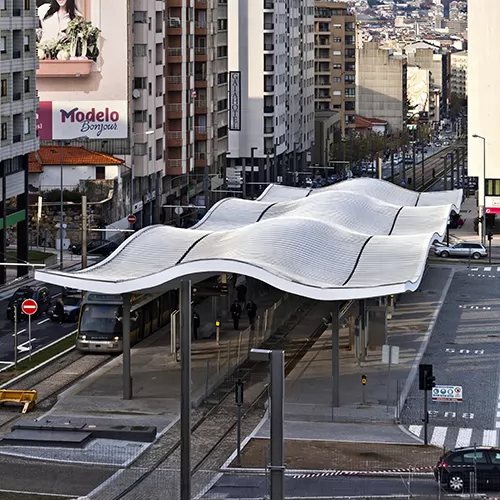


Metropolitan transportation systems are the backbone of modern urban mobility, operating continuously under extreme mechanical, environmental, and safety demands. Metro station roofing must perform far beyond conventional building standards, protecting critical infrastructure while ensuring passenger safety, comfort, and operational continuity.
In these environments, roofing systems are exposed to constant vibration from train movement, pressure fluctuations, brake dust, electromagnetic interference, humidity, and aggressive urban pollutants. Unlike standard buildings, metro stations are living infrastructures dynamic, high-frequency systems where materials must absorb stress rather than resist it rigidly.
For this reason, metro station roofing systems need to be flexible yet structurally stable, capable of accommodating movement without fatigue, deformation, or waterproofing performance loss.
Metro stations frequently require large-span, column-free roofing solutions to ensure fluid passenger circulation, visibility, and emergency evacuation compliance. These spans must be achieved without compromising structural safety or increasing maintenance risk.
Standing seam aluminium roofing systems such as Riverclack® are particularly suited to this challenge. Their continuous clip-based fixing system allows the roof to expand and contract freely, decoupling thermal movement from structural stress. This is critical in metro environments where temperature gradients and vibration coexist.
The absence of through-fasteners eliminates weak points, ensuring:
Metro station safety standards exceed those of almost any other building typology. Roofing systems must:
Aluminium standing seam systems contribute significantly to these objectives. Aluminium is non-combustible, lightweight, and structurally predictable under stress. When combined with certified substructures and insulation layers, Riverclack® systems can be integrated into high fire-resistance roof assemblies, compliant with international transport authority standards.
Moreover, reduced roof weight directly benefits seismic performance—lower mass equals lower inertial forces, a decisive factor in earthquake-prone regions.
Italian roofing systems for metro stations are the result of decades of experience in airports, rail terminals, stadiums, and urban infrastructure. This expertise goes beyond manufacturing it includes logistics, engineering support, and installation strategy in operational environments.
Riverclack® - developed and manufactured in Italy - reflects this approach:
On-site profiling is particularly advantageous in metro projects, where logistics are complex and access is limited. Producing panels directly on-site minimizes handling damage, ensures perfect alignment, and supports phased construction without compromising quality.
Metro stations are not only infrastructure they are civic spaces. Roofing plays a fundamental role in defining spatial quality, natural light, and architectural identity.
Riverclack® systems offer exceptional design freedom, supporting:
This allows architects to design iconic stations where the roof becomes an architectural gesture rather than a purely technical element without sacrificing durability or performance.
Passenger comfort and operational efficiency depend heavily on roof performance. Metro stations often combine underground, semi-open, and elevated conditions, each with distinct thermal and moisture dynamics.
Aluminium standing seam roofs support:
Their reflective properties help control solar gain in exposed stations, while their airtightness contributes to controlled ventilation strategies essential for underground environments.
Additionally, Riverclack® roofs can be seamlessly integrated with:
Metro stations are designed to last decades, often exceeding 50 years. Roofing systems must maintain performance with minimal disruption to operations.
Aluminium’s natural corrosion resistance, enhanced by advanced coatings, ensures exceptional durability even in aggressive urban atmospheres contaminated by brake dust and pollutants.
The clip-based installation system prevents stress concentration, reducing long-term fatigue and eliminating the need for frequent maintenance.
This results in:
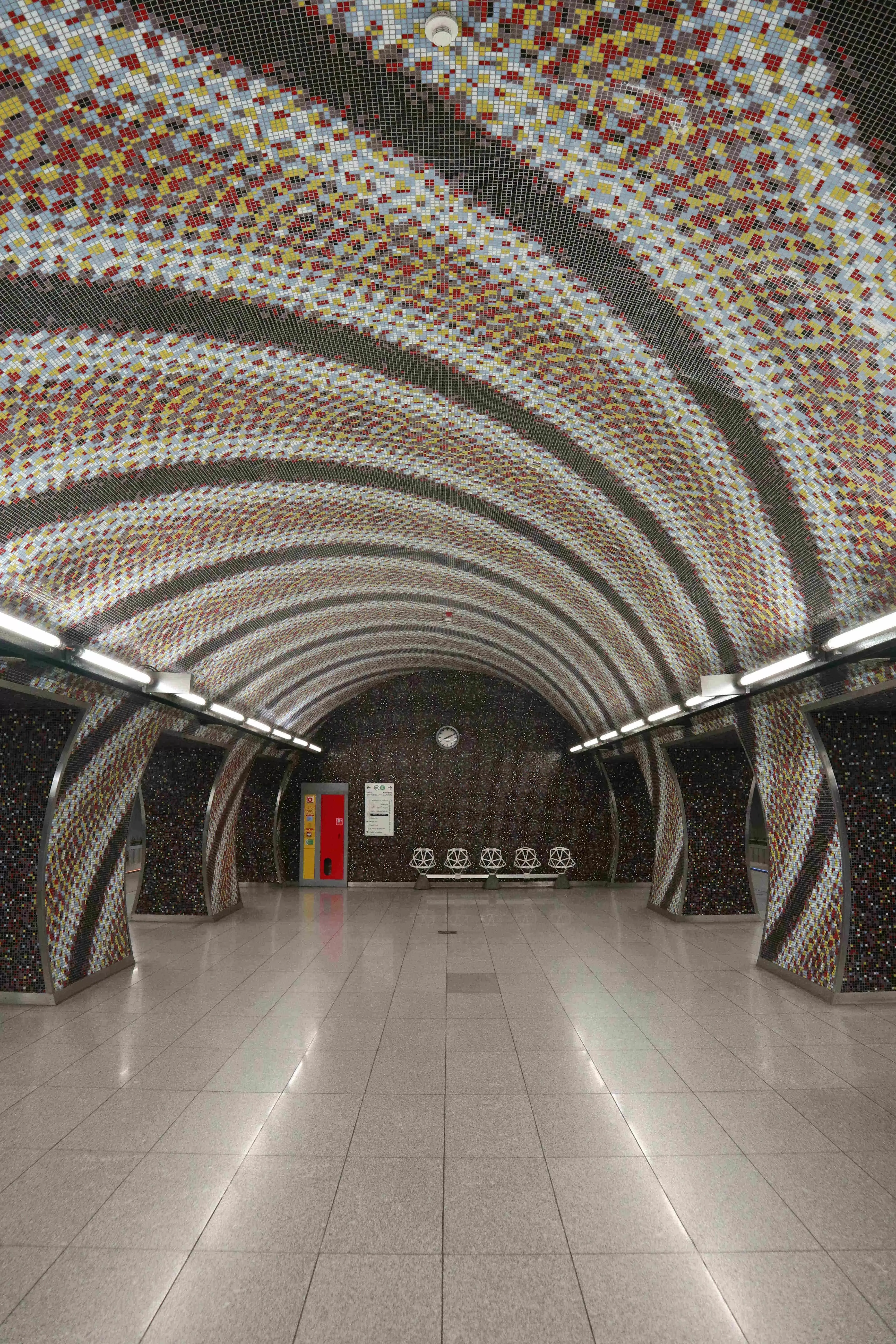
Installing a roof over an active metro station is one of the most complex construction challenges. Systems must be installed:
In phases
Riverclack® systems are specifically suited for this context due to:
These characteristics allow roofing works to progress while maintaining partial or full station operation an essential requirement for metropolitan transport authorities.
Modern metro stations increasingly incorporate smart systems for:
Riverclack® roofs can host:
All without compromising waterproofing or structural continuity.
Public infrastructure must demonstrate environmental responsibility. Aluminium roofing aligns perfectly with circular economy principles:
Riverclack® systems contribute to sustainability targets not only through materials but also through energy efficiency, durability, and adaptability over time.
Italian-designed metro roofing systems have been successfully installed in diverse climates from Mediterranean heat to northern European cold proving their adaptability and reliability.
Riverclack®’s global track record in complex public projects confirms its suitability for large-scale, safety-critical transportation infrastructure, where failure is not an option.
Metro station roofing is one of the most demanding applications in contemporary construction. It requires systems that can move without failing, protect without compromise, and perform consistently for decades.
Riverclack® represents the synthesis of:
For transport authorities, architects, and engineers seeking a roofing solution that combines durability, safety, architectural quality, and long-term value, Riverclack® offers a system designed specifically for the realities of modern metro infrastructure.
Transform your metro station project with a roofing system engineered to move, endure, and perform.
Choose Riverclack®, Italian excellence for the most demanding transportation environments.
Versatile, Easy-to-Install, Long-Lasting, Sustainable
 About Us
  Why Riverclack®
  Systems
  Technical Support
  Projects
  Designed for
  Contacts
  Join Us